Best Schools in Delhi 2026-27
Compare fee structures, admission dates and facilities for schools in Delhi.
890 Schools found

Venkateshwar International School
location_on Sector 10, Dwarka, South West Delhi
Monthly Fee
₹11,734 – ₹13,580
Estd.
2001

Delhi International School Edge
location_on Sector 18A, Dwarka, South West Delhi
Monthly Fee
₹8,255 – ₹10,915
Estd.
2015
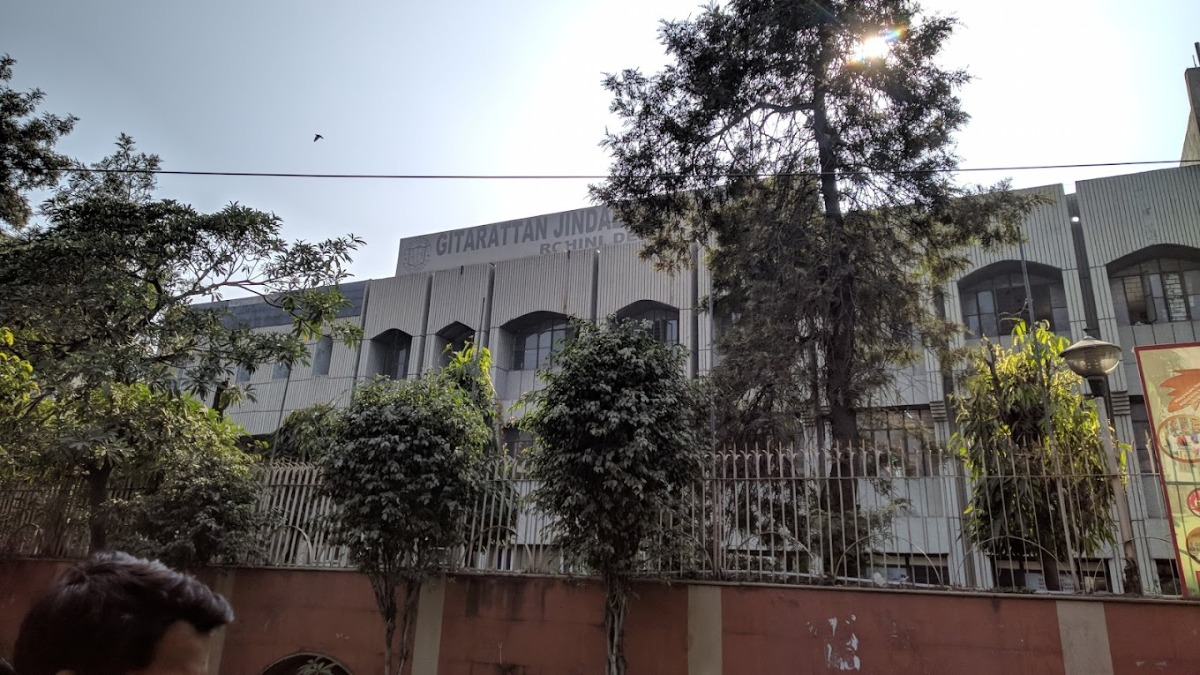
Gitarattan Global School, Rohini
location_on Rohini, North West Delhi
Monthly Fee
₹5,141 – ₹7,907
Estd.
1988
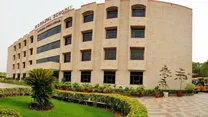
R.D. Rajpal School
location_on Sector 9, Dwarka, South West Delhi
Monthly Fee
₹7,900 – ₹9,366
Estd.
2004
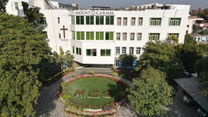
Mount Carmel School, Anand Niketan
location_on Anand Niketan, South West Delhi
Monthly Fee
₹10,188 – ₹11,313
Estd.
1972
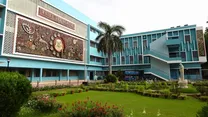
Mater Dei School
location_on Tilak Lane, India Gate, Central Delhi
Monthly Fee
₹7,808 – ₹9,493
Estd.
1956

DAV Public School, Vasant Kunj
location_on Vasant Kunj, South West Delhi
Monthly Fee
₹4,300 – ₹6,500
Estd.
1982
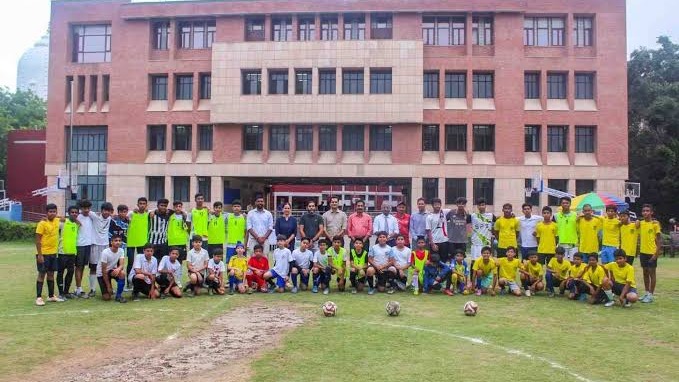
St Pauls School, Hauz Khas
location_on Hauz Khas, South Delhi
Monthly Fee
₹6,824 – ₹7,724
Estd.
1968
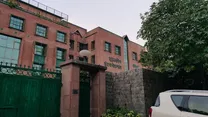
Ahlcon International School
location_on Mayur Vihar, East Delhi
Monthly Fee
₹7,285 – ₹12,770
Estd.
2001
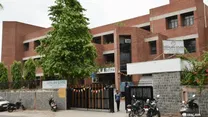
Deepalaya School, Kalkaji
location_on Kalkaji, South East Delhi
Monthly Fee
₹2,815 – ₹4,954
Estd.
1979
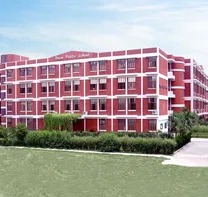
Doon Public School
location_on Paschim Vihar, West Delhi
Monthly Fee
₹4,933 – ₹6,583
Estd.
1978
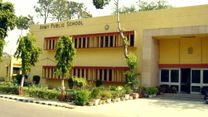
Army Public School, Dhaula Kuan
location_on Dhaula Kuan, South West Delhi
Monthly Fee
₹7,275 – ₹12,845
Estd.
1953
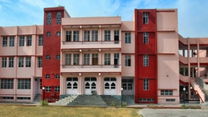
Lt. Col. Mehar Little Angels Senior Secondary School
location_on Paschim Vihar, West Delhi
Monthly Fee
₹3,131 – ₹3,757
Estd.
1988
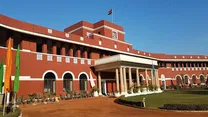
Modern School, Barakhamba Road
location_on Connaught Place, Central Delhi
Monthly Fee
₹12,257 – ₹14,137
Estd.
1920
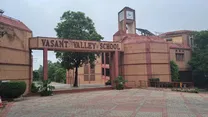
Vasant Valley School
location_on Vasant Kunj, South West Delhi
Monthly Fee
₹16,224 – ₹20,365
Estd.
1990

Delhi Public School, Mathura Road
location_on South East Delhi
Monthly Fee
₹15,016 – ₹26,875
Estd.
1949
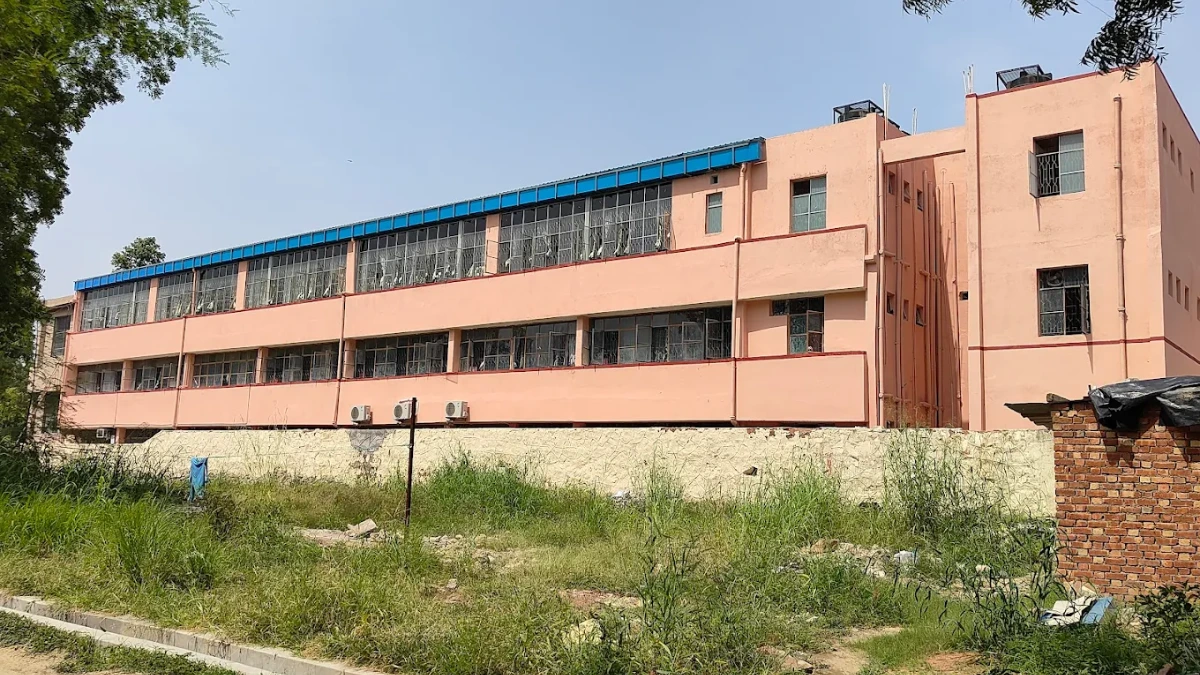
Notre Dame School, Badarpur
location_on Badarpur, South East Delhi
Monthly Fee
₹3,550 – ₹5,601
Estd.
1990
Mother Divine Public School, Rohini
location_on Rohini, North West Delhi
Monthly Fee
₹3,521 – ₹4,683
Estd.
1991
Indraprastha World School
location_on Paschim Vihar, West Delhi
Monthly Fee
₹9,251 – ₹9,830
Estd.
1995
Bal Bharati Public School Dwarka
location_on Sector 12, Dwarka, South West Delhi
Monthly Fee
₹7,229 – ₹7,258
Estd.
1997
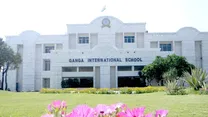
Ganga International School, Hiran Kudna
location_on West Delhi
Monthly Fee
₹8,275 – ₹9,409
Estd.
1989
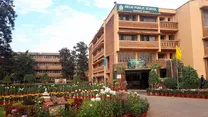
Delhi Public School, Vasant Kunj
location_on Vasant Kunj, South West Delhi
Monthly Fee
₹11,366 – ₹29,500
Estd.
1990

Academic Heights World School, Pitampura
location_on Pitampura, North West Delhi
Monthly Fee
₹11,620 – ₹12,370
Estd.
2015
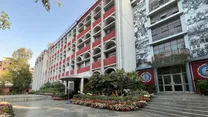
Bluebells School International
location_on Kailash Colony, South Delhi
Monthly Fee
₹12,979 – ₹15,604
Estd.
1957
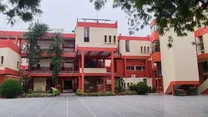
Carmel Convent School
location_on Chanakyapuri, Central Delhi
Monthly Fee
₹10,694 – ₹11,428
Estd.
1957
That's everything
chevron_right About Schools in Delhi
Delhi has over 5,500 schools teaching about 44.9 lakh students, and more than 1,700 of them are private unaided schools (UDISE+ 2024–25).
They run across CBSE, ICSE, IB, IGCSE and state-recognised boards, spread over the city's 11 revenue districts. Monthly tuition starts under ₹1,000 and climbs past ₹30,000 at the premium end.
This page lists schools in Delhi with their board, grades and fees, so you can shortlist by board, area and budget.
Delhi schools at a glance
| Metric | Count |
|---|---|
| Total schools | 5,556 |
| Private unaided schools | 1,700+ |
| Students enrolled | 44.9 lakh |
| Teachers | 1.62 lakh |
| Revenue districts | 11 |
| Average pupil-teacher ratio | 28:1 |
Which boards Delhi schools follow
| Board | Schools in Delhi | Best for |
|---|---|---|
| CBSE | 1,275+ | JEE, NEET and CUET; the syllabus maps directly onto the Indian entrance exams |
| ICSE | 50+ | A broader curriculum with strong English, literature and internal assessment |
| IB | 7 | International university applications and inquiry-based learning |
| IGCSE | 6 | A flexible international curriculum with modular exams |
| State board | 470+ | Government and aided schools following the NCERT syllabus |
CBSE is the default in Delhi. Roughly three in four private schools are affiliated to it, and its NCERT-aligned syllabus maps onto JEE, NEET and CUET, so it suits families whose children will study in India.
ICSE is the next step for a broader, English-heavy curriculum, with most ICSE schools in South and Central Delhi.
IB and IGCSE together come to just thirteen schools, almost all in the premium South Delhi pockets. They matter mainly if you are planning for universities abroad.
The rest are state and Delhi-recognised schools on the NCERT pattern.
What schools cost
| Monthly fee range | Schools |
|---|---|
| Below ₹1,000 | 450+ |
| ₹1,000 – ₹2,000 | 300+ |
| ₹2,000 – ₹5,000 | 350+ |
| ₹5,000 – ₹10,000 | 250+ |
| ₹10,000 – ₹20,000 | 100+ |
| Above ₹20,000 | 50+ |
These are tuition figures only. Transport, books, uniform and activity charges usually add another 30 to 50 per cent on top, so ask for the full annual cost, not just the monthly tuition line.
The largest band sits between ₹2,000 and ₹5,000 a month. Below ₹1,000 you are mostly looking at neighbourhood and budget schools, and above ₹20,000 at the premium and international end.
Where the schools are
Your shortlist really starts with where you live.
Delhi traffic can turn a 10 km school run into an hour each way, so keep the commute to about 30 minutes, especially below Class 5. Each part of the city has its own character.
South Delhi
Greater Kailash, Hauz Khas, Vasant Kunj and Defence Colony. The widest board variety in the city and the strongest alumni networks, and where most of the ICSE, IB and IGCSE schools sit.
It is also the most competitive for admission, with neighbourhood-distance points doing most of the work.
South West Delhi (Dwarka)
Delhi's fastest-growing school belt, with around 280 schools on planned DDA plots and campuses built over the last two decades.
The Blue Line covers every sector, so commutes are predictable. The best place for newer infrastructure without South Delhi pricing.
North West Delhi (Rohini, Pitampura)
The highest school count of any district, around 350. Rohini's planned sectors mirror Dwarka, with well-equipped CBSE campuses.
The Red Line links to the University area and Central Delhi. A strong mix of long-established and newer schools.
West Delhi
Janakpuri, Rajouri Garden, Vikaspuri and Punjabi Bagh, with about 250 schools.
A reliable mid-range belt with good Blue and Green Line connectivity, well-suited to families who want steady academics without a premium.
North Delhi
Civil Lines and Model Town hold some of Delhi's oldest schools, with decades of track record. Admission here is fiercely competitive and leans heavily on neighbourhood proximity.
East Delhi
Preet Vihar, Mayur Vihar and the colonies around them, with roughly 200 schools and a fast-expanding private segment. The most affordable private-school belt in the city, with infrastructure improving quickly.
How admission works in Delhi
Private-school admission runs on the Directorate of Education's points-based system.
Each school publishes its own point breakdown in November or December. Neighbourhood distance (usually a 1 to 6 km radius) carries the most weight, followed by a sibling in the same school, girl-child preference and a few school-specific heads.
A share of seats is reserved under the EWS and DG category as per the Right to Education Act.
Nursery forms come out around November and December, the window runs through January, first lists arrive in February, and admissions close by March before the April session.
For nursery, most schools want the child to be at least 3 by 31 March of the admission year. For Class 1, the NEP 2020 rule sets the bar at 6 years or older by 31 March, across all recognised schools.
Finding the right school on Acadise
Acadise is built to take the guesswork out of this.
You can filter schools by board, class, type, admission status, fee range and locality, then shortlist and compare them side by side on fees and facilities. Enquiries go straight from the listing to the school.
Schools are listed on their data, not on who pays for placement.
Use the filters above to start narrowing down schools in Delhi that fit your child.
Frequently Asked Questions
1. How many schools are there in Delhi? expand_more
Delhi has over 5,500 schools across government, aided, and private institutions. More than 1,700 are private unaided schools. CBSE is the dominant board, followed by State Board, ICSE, and a smaller number of IB and IGCSE schools.
2. When do school admissions start in Delhi? expand_more
Nursery admission forms are typically released in November–December. The application window runs through January, first merit lists come out in February, and final admissions close by March. The academic session begins in April. For Classes 2 and above, admission depends on seat vacancy — timelines vary by school.
3. What is the minimum age for nursery and Class 1 admission in Delhi? expand_more
For nursery, most private schools require the child to be at least 3 years old by March 31 of the admission year. For Class 1, the NEP 2020 rule requires children to be 6 years or older by March 31. These age criteria apply across all recognised schools in Delhi — government, aided, and private.
4. How does the points system work for nursery admission in Delhi? expand_more
Delhi private schools follow the Directorate of Education (DoE) points-based criteria. Schools assign points for neighbourhood proximity (typically 1–6 km radius), sibling studying in the same school, girl child preference, and other factors declared in advance. Each school publishes its own point breakdown in November–December. A percentage of seats is also reserved under the EWS/DG category as per the Right to Education Act.
5. What is the difference between CBSE and ICSE schools in Delhi? expand_more
CBSE follows the NCERT syllabus and aligns directly with competitive exams like JEE, NEET, and CUET — making it the default choice for students planning to study in India. ICSE offers a broader curriculum with stronger emphasis on English, literature, and internal assessments. The vast majority of Delhi’s private schools are CBSE-affiliated, while ICSE schools are fewer and concentrated in South and Central Delhi. For international university applications, IB and IGCSE carry stronger recognition.
6. What is the fee range for private schools in Delhi? expand_more
Monthly tuition at Delhi private schools ranges from under ₹1,000 for neighbourhood schools to over ₹30,000 for premium institutions. The largest segment falls in the ₹2,000–5,000 range. Transport, books, uniforms, and activity charges typically add 30–50% over the quoted tuition — always ask for the total annual cost, not just the monthly fee line item.
7. Which areas in Delhi are best for schools? expand_more
It depends on where you live — a 30-minute commute cap is recommended, especially below Class 5. Dwarka (South West Delhi) offers strong value with modern campuses on planned DDA plots. South Delhi (GK, Vasant Kunj, Hauz Khas) has the widest board variety and strongest alumni networks. Rohini and Pitampura (North West Delhi) have among the highest school counts in the city. East Delhi (Mayur Vihar, Preet Vihar) is one of the most affordable private school zones.
Find the right school for your child
Free counsellor will shortlist matching schools in your area.
Request Submitted!
We'll contact you within 24 hours with personalized recommendations.