Best Schools in Central Delhi 2026-27
Compare fee structures, admission dates and facilities for schools in Central Delhi.
14 Schools found
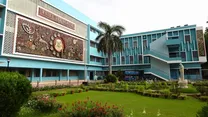
Mater Dei School
location_on Tilak Lane, India Gate, Central Delhi
Monthly Fee
₹7,808 – ₹9,493
Estd.
1956
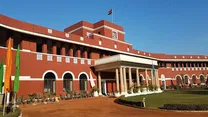
Modern School, Barakhamba Road
location_on Connaught Place, Central Delhi
Monthly Fee
₹12,257 – ₹14,137
Estd.
1920
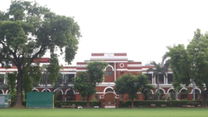
St. Columba's School
location_on Gole Market, Connaught Place, Central Delhi
Monthly Fee
₹5,166 – ₹7,458
Estd.
1941
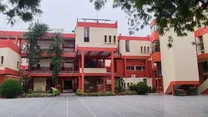
Carmel Convent School
location_on Chanakyapuri, Central Delhi
Monthly Fee
₹10,694 – ₹11,428
Estd.
1957
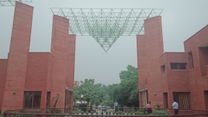
Sanskriti School
location_on Chanakyapuri, Central Delhi
Monthly Fee
₹17,707 – ₹22,776
Estd.
1998
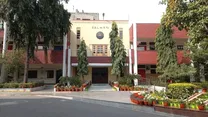
Salwan Public School
location_on Rajinder Nagar, Central Delhi
Monthly Fee
₹12,800 – ₹16,980
Estd.
1953
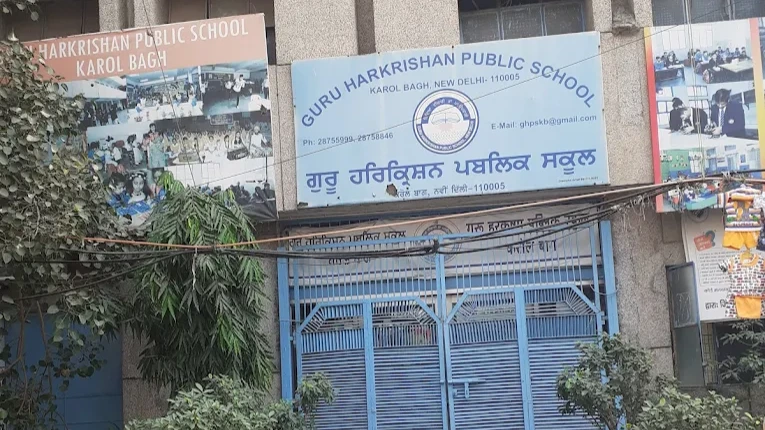
Guru Harkrishan Public School (GHPS), Karol Bagh
location_on Karol Bagh, Central Delhi
Monthly Fee
₹4,090 – ₹4,814
Estd.
1977
Sardar Patel Vidyalaya
location_on Lodhi Estate, Central Delhi
Monthly Fee
₹10,038 – ₹10,888
Estd.
1958
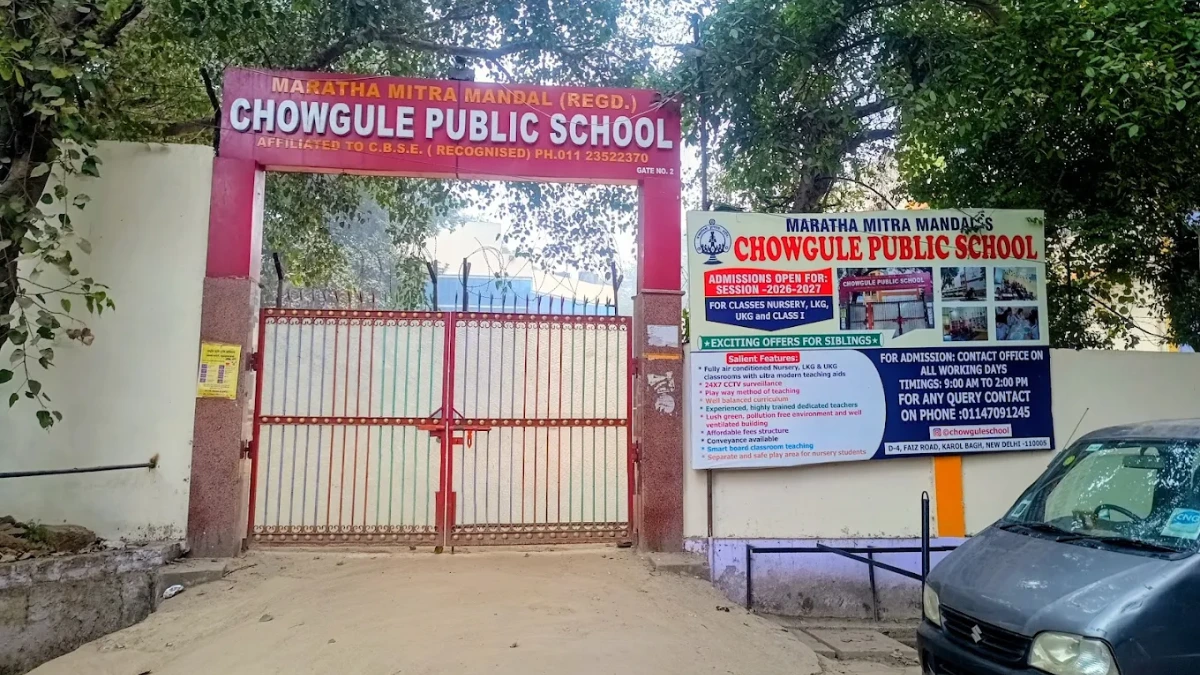
Chowgule Public School, Karol Bagh
location_on Karol Bagh, Central Delhi
Monthly Fee
₹2,309 – ₹3,000
Estd.
1957
St. Michael's Senior Secondary School, Karol Bagh
location_on Karol Bagh, Central Delhi
Monthly Fee
₹6,434 – ₹8,167
Estd.
1980
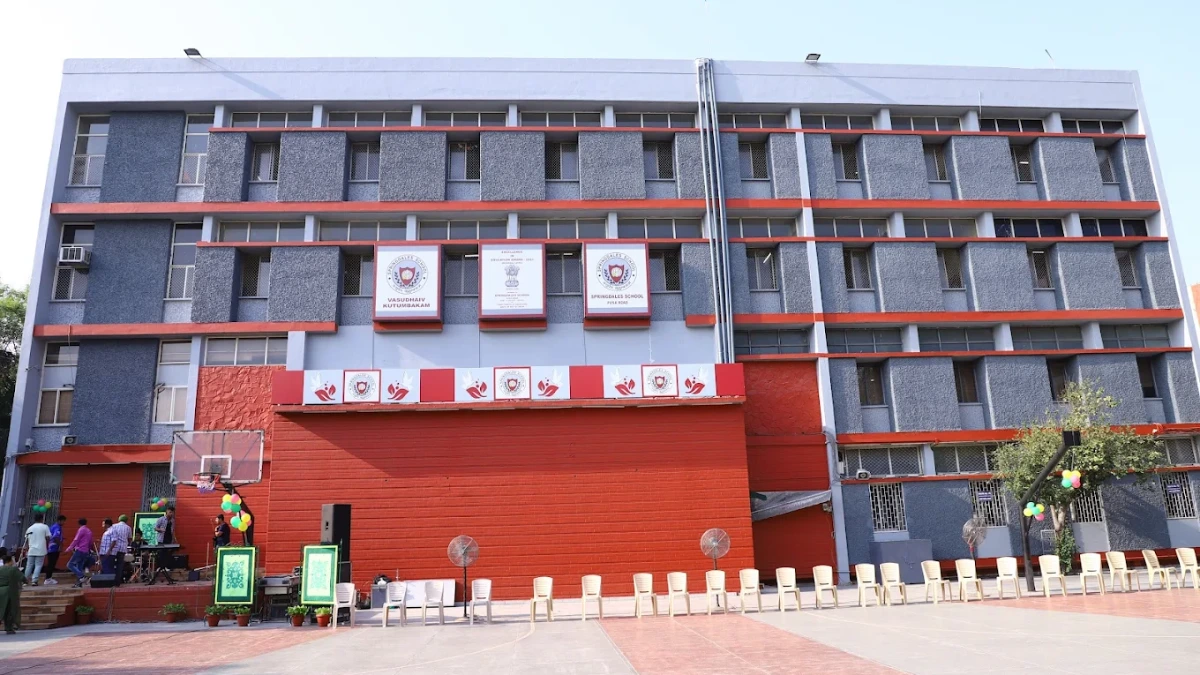
Springdales School, Pusa Road
location_on Karol Bagh, Central Delhi
Monthly Fee
₹8,284 – ₹8,859
Estd.
1955
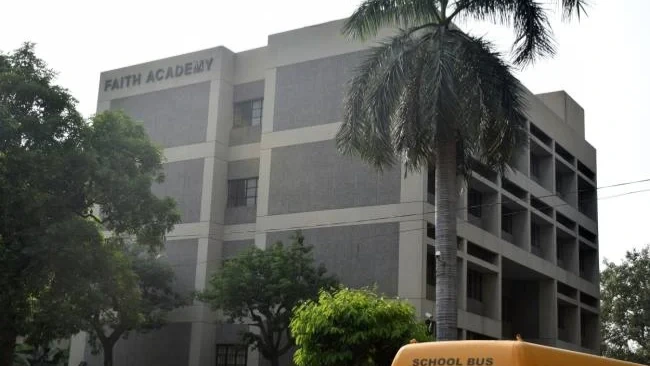
Faith Academy, Prasad Nagar
location_on Karol Bagh, Central Delhi
Monthly Fee
₹8,673
Estd.
1964
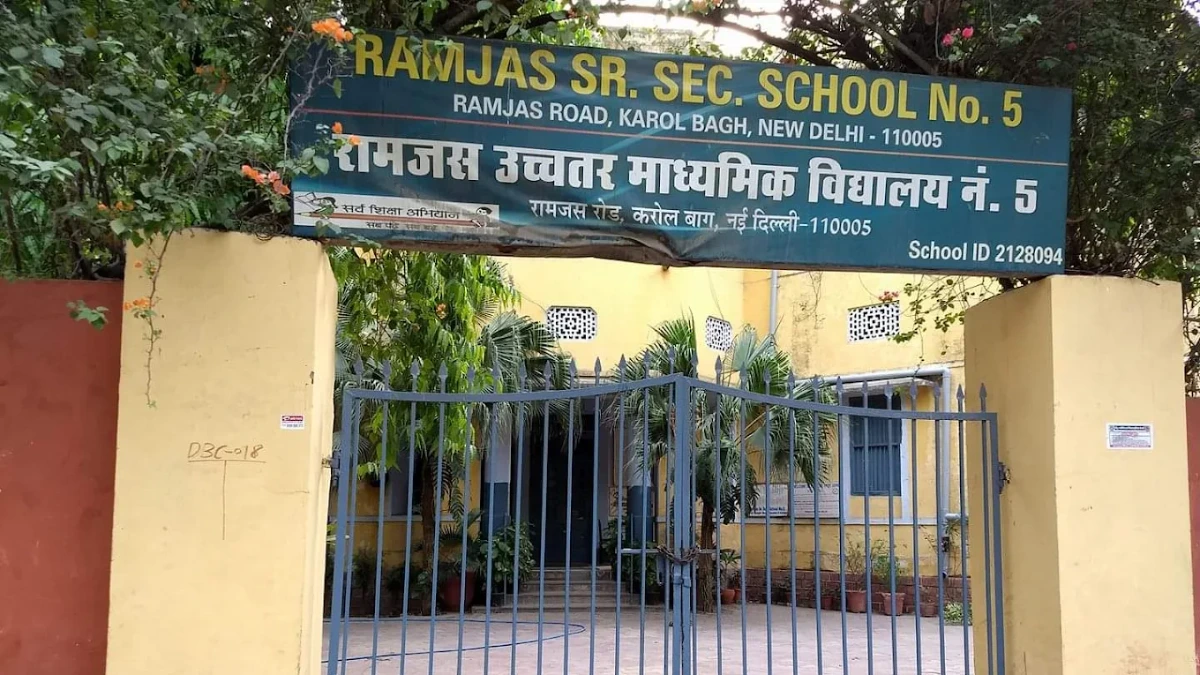
Ramjas Senior Secondary School No. 5, Karol Bagh
location_on Karol Bagh, Central Delhi
Estd.
1939
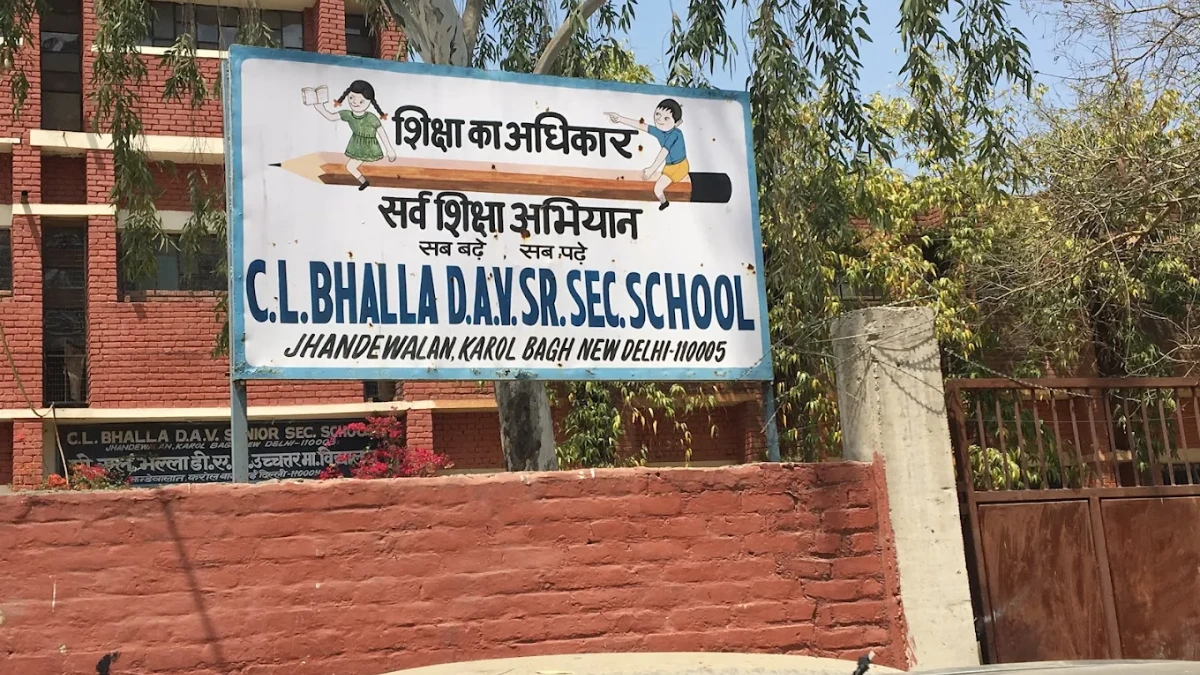
C.L. Bhalla Dayanand Model School, Karol Bagh
location_on Karol Bagh, Central Delhi
Monthly Fee
₹3,804
Estd.
1981
Related Searches
That's everything
14 schools listed
chevron_right About Schools in Central Delhi
Central Delhi is home to some of India's most respected schools, institutions with 70 to over 100 years of history, large heritage campuses and alumni networks that span generations.
From Modern School on Barakhamba Road (1920) to St. Columba's on Ashoka Road (1941) and the Convent of Jesus and Mary (1922), these schools have educated India's leaders, artists and entrepreneurs since before independence.
This page lists schools in Central Delhi with their board, grades and fees, so you can shortlist by board, area and budget.
What sets Central Delhi schools apart
These schools are part of Delhi's cultural fabric, not just educational institutions. A few things set them apart.
Decades of track record. Most established schools here have run for 70 to over 100 years, with academic systems and traditions refined over generations.
Heritage campuses. Large, tree-lined grounds with proper playing fields, auditoriums and colonial-era architecture, the kind of space newer schools in crowded parts of Delhi cannot match.
Alumni networks. Graduates of schools like St. Columba's, Modern School and the Convent of Jesus and Mary hold influential positions across law, government, business, media and the arts, which turns into mentorship and opportunity for current students.
National institutions on the doorstep. Visits to Parliament, Rashtrapati Bhavan, the Supreme Court and the national museums are part of regular learning here, not one-off excursions.
Which boards are available
CBSE dominates Central Delhi, with the vast majority of heritage and mid-tier schools affiliated to it.
A few schools offer ICSE, the Convent of Jesus and Mary being the most notable. IB and IGCSE are rare here, so families who want them usually look to South Delhi or the Gurugram corridor.
Fee landscape
Central Delhi's heritage schools sit in an interesting spot. Given their prestige, legacy and prime location, their fees are notably moderate next to newer premium schools in South Delhi or Gurugram.
| Tier | What you get |
|---|---|
| Established heritage (₹5,000–12,000/mo) | Institutions with decades of history, strong board results, large campuses and powerful alumni networks. Schools like St. Columba's, Carmel Convent and Mater Dei fall here, exceptional value for the institutional weight they carry. |
| Premium heritage (₹12,000–23,000/mo) | Top-tier institutions with expansive campuses, international-exposure programmes and the most competitive admissions in Delhi. Schools like Sanskriti and Springdales sit in this range. |
Newer premium schools in Gurugram and South Delhi charge significantly more for younger institutions without comparable track records. Central Delhi's heritage schools offer institutional depth at fees that reflect their trust-based origins rather than commercial pricing.
Key areas for schools
Connaught Place and Gole Market
The heart of Lutyens' Delhi. St. Columba's sits on Ashoka Road, next to the Sacred Heart Cathedral. The wide boulevards and low-rise character give schools here a quiet institutional setting in the middle of the city's commercial core.
Chanakyapuri and Anand Niketan
Delhi's diplomatic enclave, home to embassies and high commissions, and to schools like Carmel Convent, Springdales, Mount Carmel and Sanskriti. The security, green cover and low traffic make it one of the most parent-friendly school zones in the city.
Lodhi Estate and India Gate
The institutional corridor from Lodhi Road to India Gate, where Sardar Patel Vidyalaya and Mater Dei sit among Lodhi Gardens, the National Museum and central government offices. Children here grow up with the country's most significant landmarks as their daily backdrop.
Karol Bagh and Rajinder Nagar
The denser residential belt of Central Delhi. Mid-tier private schools and strong government schools serve a large middle-class population, well-connected by the Blue Line at Karol Bagh, Rajinder Nagar and Patel Nagar.
Metro connectivity
Central Delhi has the best metro connectivity in the city, with three major lines meeting here.
- Yellow Line through Rajiv Chowk, Patel Chowk and Central Secretariat.
- Blue Line through Rajiv Chowk, Barakhamba Road, Mandi House, Karol Bagh, Rajinder Nagar and Patel Nagar.
- Violet Line through Mandi House, Janpath, Central Secretariat and ITO.
Rajiv Chowk is the busiest interchange on the network and Central Secretariat connects three lines, while the Airport Express reaches IGI in about 20 minutes from New Delhi station. Most schools here sit within a 10-minute walk of a station, so commutes work from almost anywhere in Delhi-NCR.
How admission works
Central Delhi is one of the most competitive admission markets in India. Heritage schools receive thousands of applications for a limited number of nursery seats each year.
The Directorate of Education's points-based system applies, and a few factors weigh especially heavily here.
- Neighbourhood proximity. Living inside the school's radius, usually 1 to 6 km, is often essential for a realistic chance.
- Sibling priority. An older child already at the school is one of the strongest advantages.
- Alumni points. Several heritage schools award points if a parent studied there, creating multi-generation families.
- EWS and DG reservation. A quarter of entry-level seats are reserved under the Right to Education Act.
The cycle is the standard Delhi one: forms in November and December, applications in January, lists in February, session from April. Mid-entry from Class 6 depends entirely on vacancies, which are rare at the most sought-after schools.
Finding the right school in Central Delhi
Use the filters above to compare schools by board, class, fee range and admission status.
Schools appear on their data rather than on paid placement.
Frequently Asked Questions
1. What are the top schools in Central Delhi? expand_more
Central Delhi is home to some of India's most prestigious schools, including institutions with 70–100+ years of history. Schools in this district are known for strong academics, heritage campuses, and influential alumni networks. Most are CBSE-affiliated, with some offering ICSE.
2. How competitive is school admission in Central Delhi? expand_more
Central Delhi has one of the most competitive admission landscapes in India. Heritage schools receive thousands of applications for limited nursery seats. The points-based system rewards neighbourhood proximity, sibling priority, and in some schools, alumni parentage. Planning early and understanding each school’s criteria is essential.
3. What is the fee range for schools in Central Delhi? expand_more
Fees at Central Delhi’s established heritage schools typically range from ₹5,000 to ₹12,000 per month. Premium institutions go up to ₹23,000/month. Despite the prestige and prime location, many heritage schools offer strong value relative to newer premium schools in South Delhi or Gurugram.
4. Which boards are available in Central Delhi schools? expand_more
CBSE is the dominant board, with the vast majority of schools affiliated to it. A few schools offer ICSE. IB and IGCSE are rare in Central Delhi — families looking for international boards typically explore South Delhi or Gurugram.
5. Is Central Delhi well-connected by metro for school commutes? expand_more
Central Delhi has the best metro connectivity in Delhi. Three major lines — Yellow, Blue, and Violet — intersect here, with Rajiv Chowk and Central Secretariat as key interchange stations. Most schools are within a 10-minute walk of a metro station, making commutes feasible from across Delhi-NCR.
Find the right school for your child
Free counsellor will shortlist matching schools in your area.
Request Submitted!
We'll contact you within 24 hours with personalized recommendations.