Best Schools in South Delhi 2026-27
Compare fee structures, admission dates and facilities for schools in South Delhi.
114 Schools found
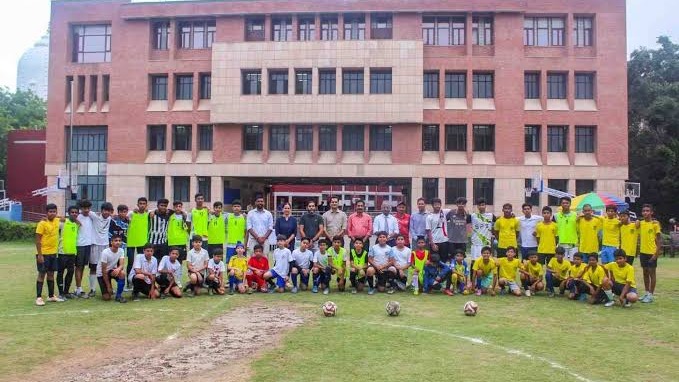
St Pauls School, Hauz Khas
location_on Hauz Khas, South Delhi
Monthly Fee
₹6,824 – ₹7,724
Estd.
1968

Bluebells School International
location_on Kailash Colony, South Delhi
Monthly Fee
₹12,979 – ₹15,604
Estd.
1957
Tagore International School
location_on East of Kailash, South Delhi
Monthly Fee
₹9,181 – ₹10,458
Estd.
1964
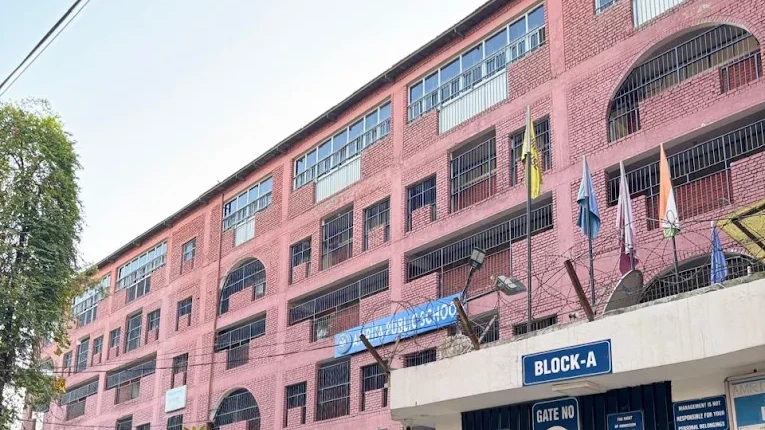
Amrita Public School, Sangam Vihar
location_on Sangam Vihar, South Delhi
Monthly Fee
₹3,075 – ₹7,575
Estd.
1987
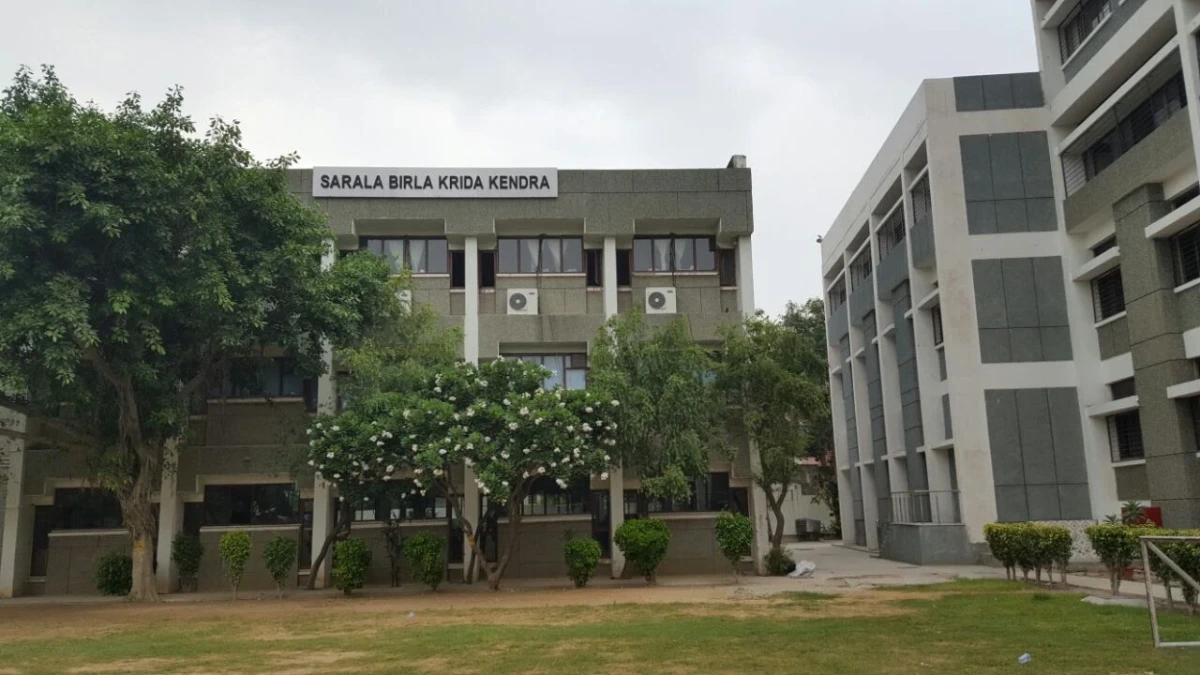
Birla Vidya Niketan, Pushp Vihar
location_on Pushp Vihar, South Delhi
Monthly Fee
₹5,159 – ₹6,398
Estd.
1983
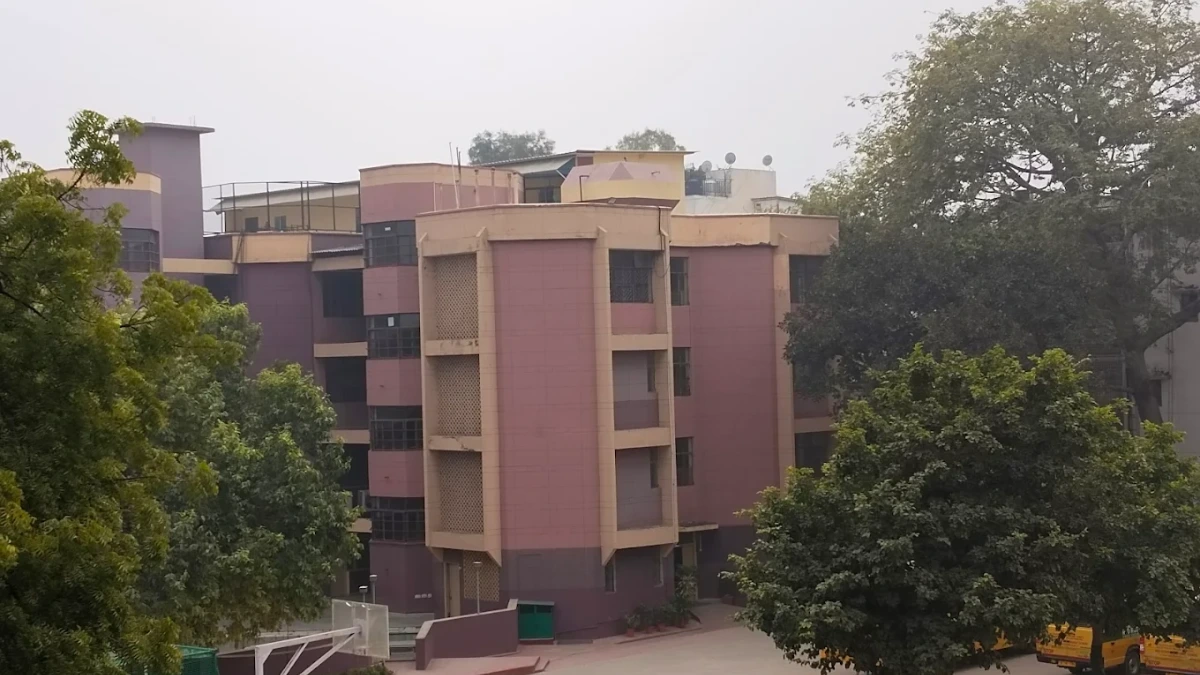
Red Roses Public School, Saket
location_on Saket, South Delhi
Monthly Fee
₹3,482 – ₹4,543
Estd.
1980
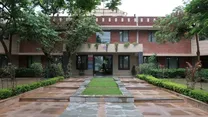
CSKM Public School, Chhatarpur
location_on South Delhi
Monthly Fee
₹21,413 – ₹34,281
Estd.
1986
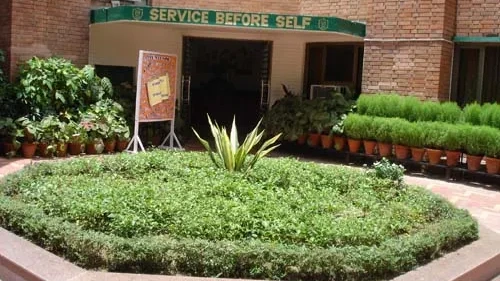
Delhi Public School (DPS), East of Kailash
location_on East of Kailash, South Delhi
Monthly Fee
₹11,480 – ₹11,630
Estd.
2003
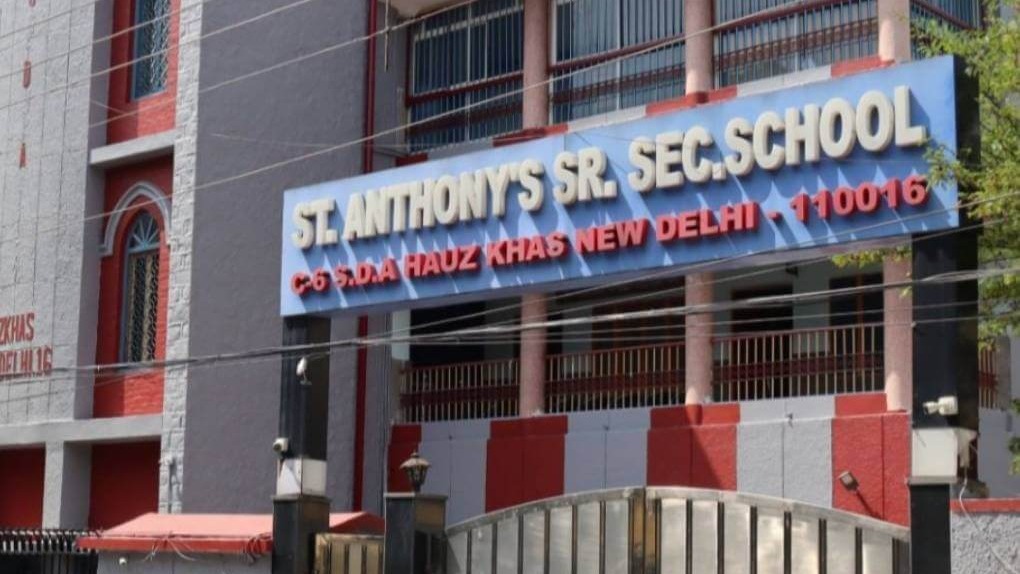
St Anthonys Senior Secondary School, Hauz Khas
location_on Hauz Khas, South Delhi
Monthly Fee
₹4,500 – ₹5,250
Estd.
1970
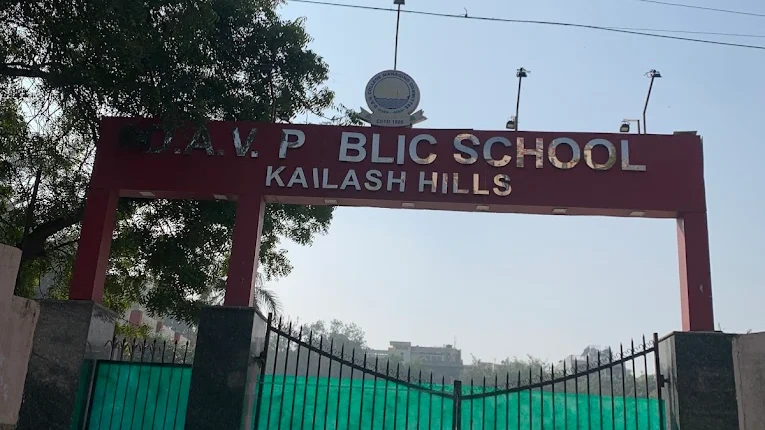
DAV Public School, Kailash Hills
location_on East of Kailash, South Delhi
Monthly Fee
₹4,464 – ₹6,159
Estd.
1983

Amity International School, Saket
location_on Saket, South Delhi
Monthly Fee
₹8,614 – ₹10,705
Estd.
1991
The Mother's International School
location_on Hauz Khas, South Delhi
Monthly Fee
₹11,900 – ₹17,700
Estd.
1956
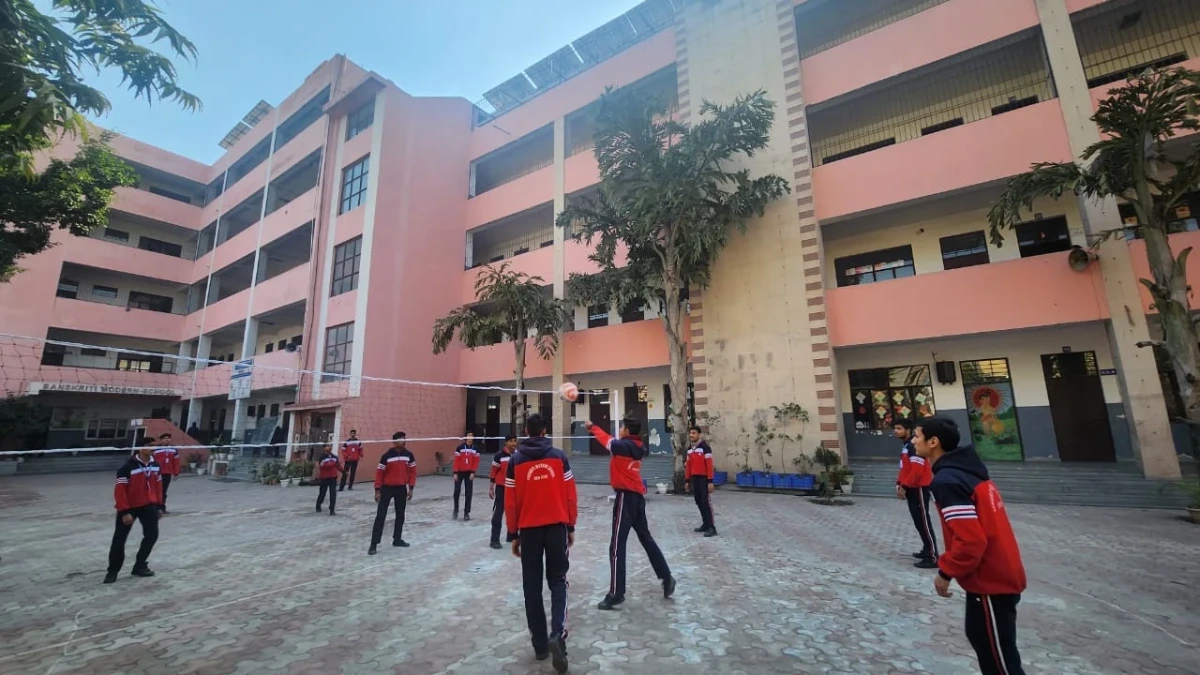
Sanskriti Modern School, Sangam Vihar
location_on Sangam Vihar, South Delhi
Monthly Fee
₹1,085 – ₹2,958
Estd.
2010
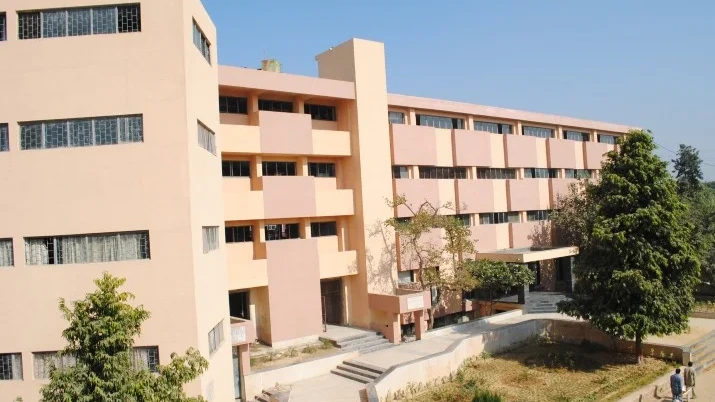
Colonel Satsangi's Kiran Memorial Public School (CSKM), Chhatarpur
location_on Chhatarpur, South Delhi
Monthly Fee
₹32,100 – ₹46,000
Estd.
1986
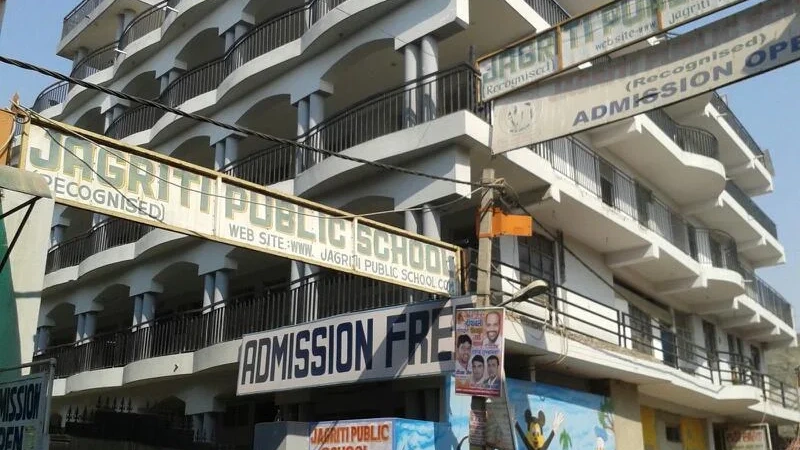
Jagriti Public School, Sangam Vihar
location_on Sangam Vihar, South Delhi
Monthly Fee
₹2,000 – ₹25,000
Estd.
2003
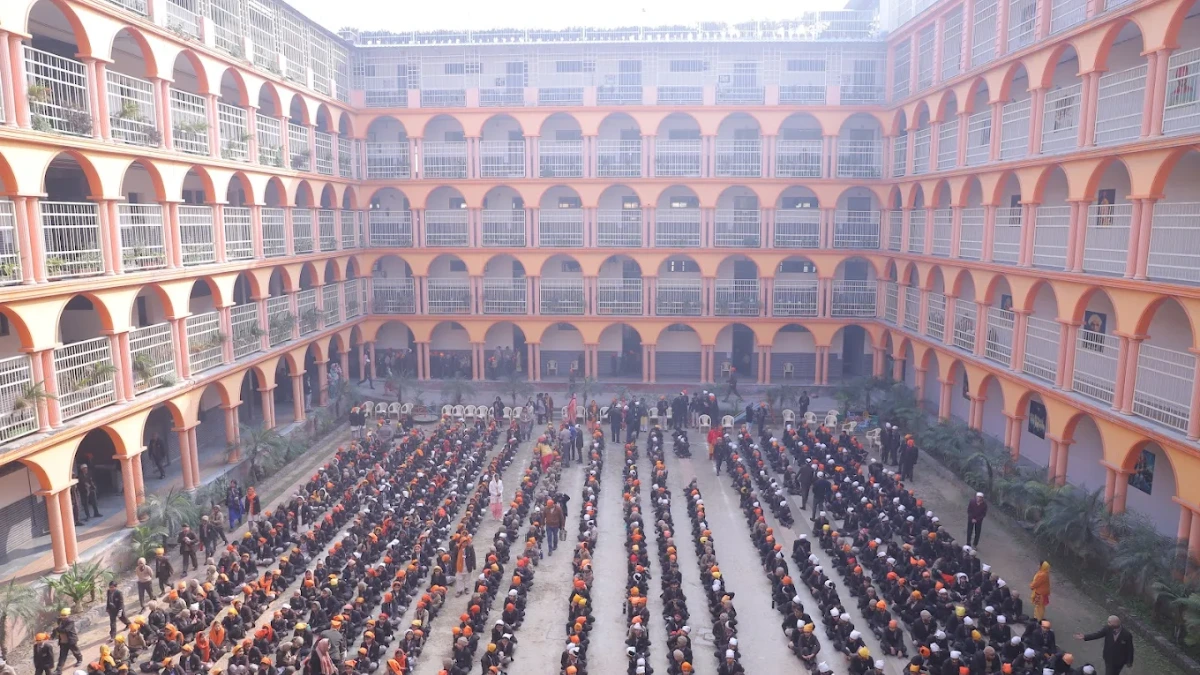
KSK Academy Senior Secondary Public School, Sangam Vihar
location_on Sangam Vihar, South Delhi
Monthly Fee
₹2,382
Estd.
1994
Amity International School, Pushp Vihar
location_on Pushp Vihar, South Delhi
Monthly Fee
₹7,125 – ₹11,047
Estd.
2004
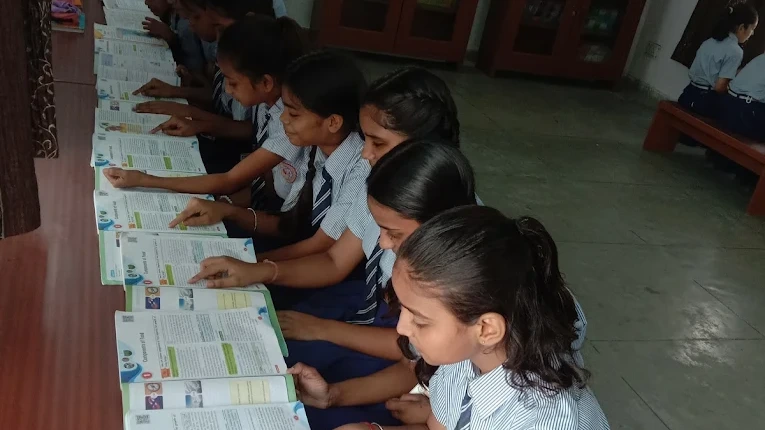
Dignity International Public School, Sangam Vihar
location_on Sangam Vihar, South Delhi
Monthly Fee
₹480 – ₹600
Estd.
2009
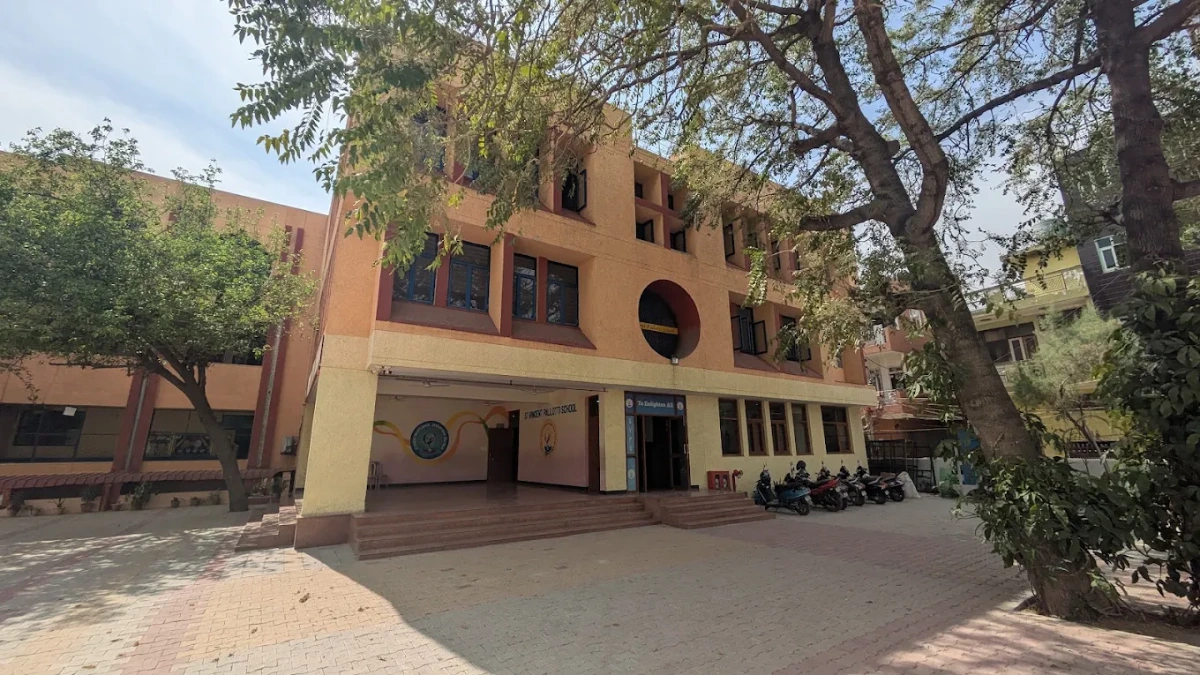
St Vincent Pallotti School, Sangam Vihar
location_on Sangam Vihar, South Delhi
Monthly Fee
₹4,667 – ₹9,800
Estd.
2002
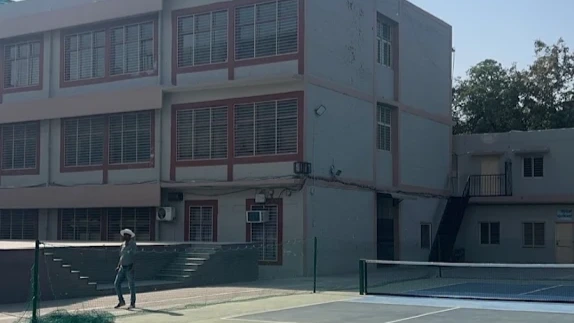
New Green Field School, Saket
location_on Saket, South Delhi
Monthly Fee
₹5,190 – ₹8,609
Estd.
1962
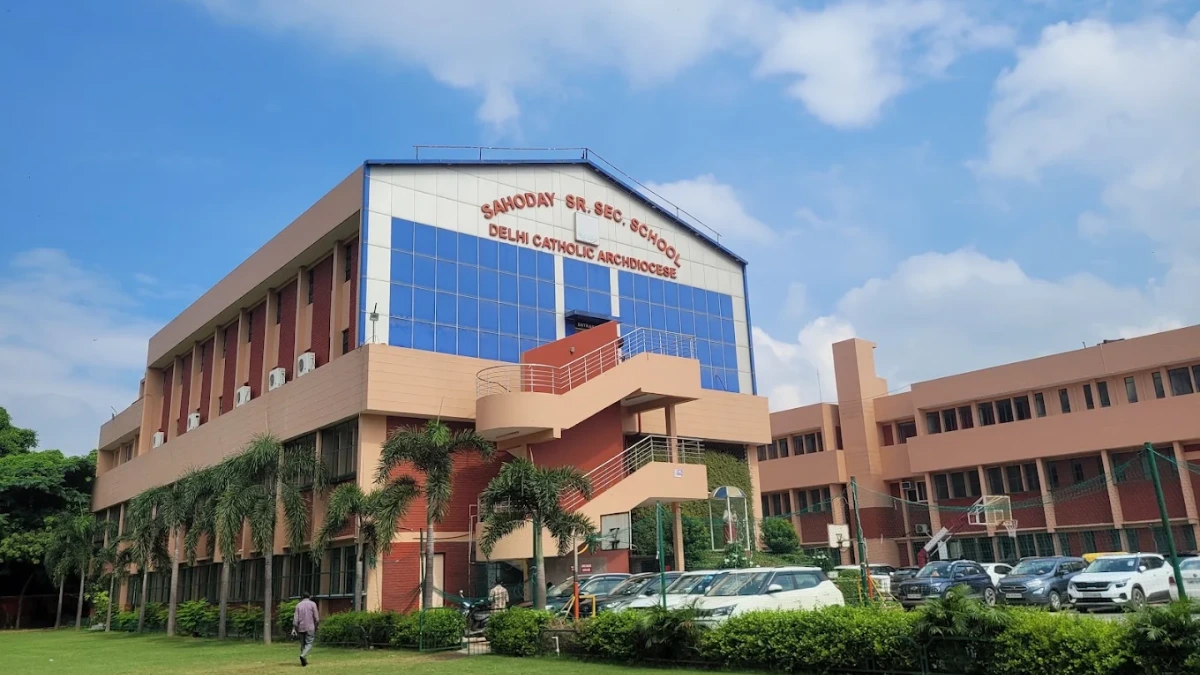
Sahoday Senior Secondary School, Hauz Khas
location_on Hauz Khas, South Delhi
Monthly Fee
₹5,213 – ₹6,317
Estd.
1976
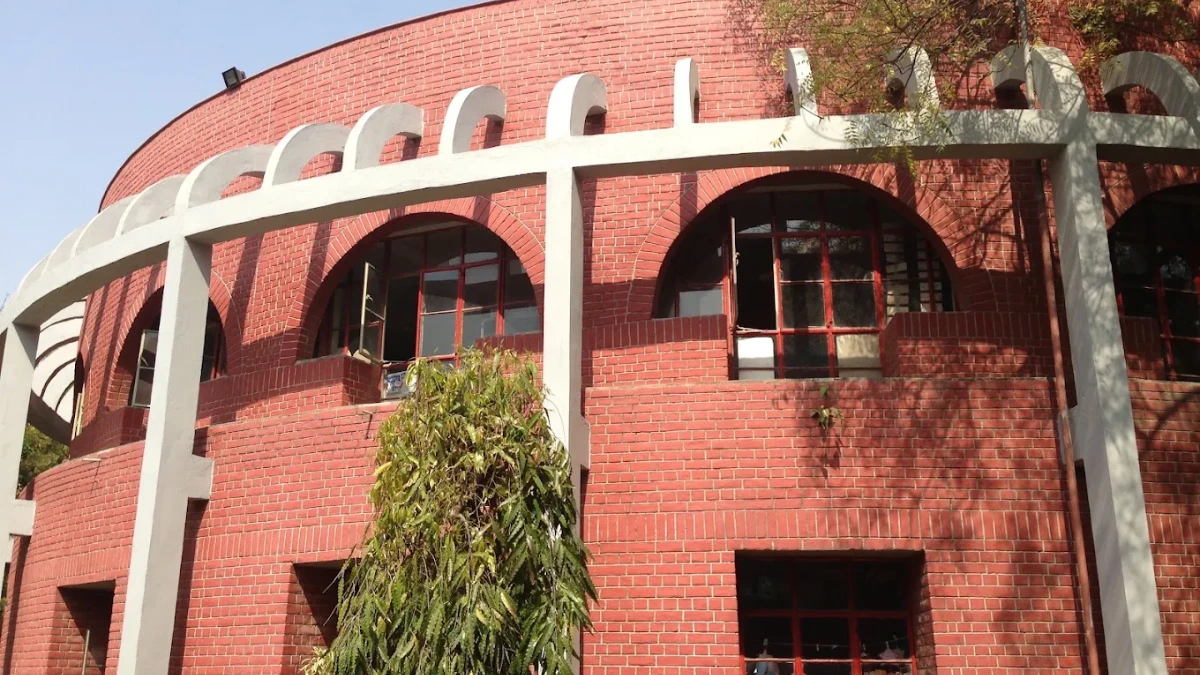
Gyan Bharati School, Saket
location_on Saket, South Delhi
Monthly Fee
₹7,650 – ₹9,700
Estd.
1980
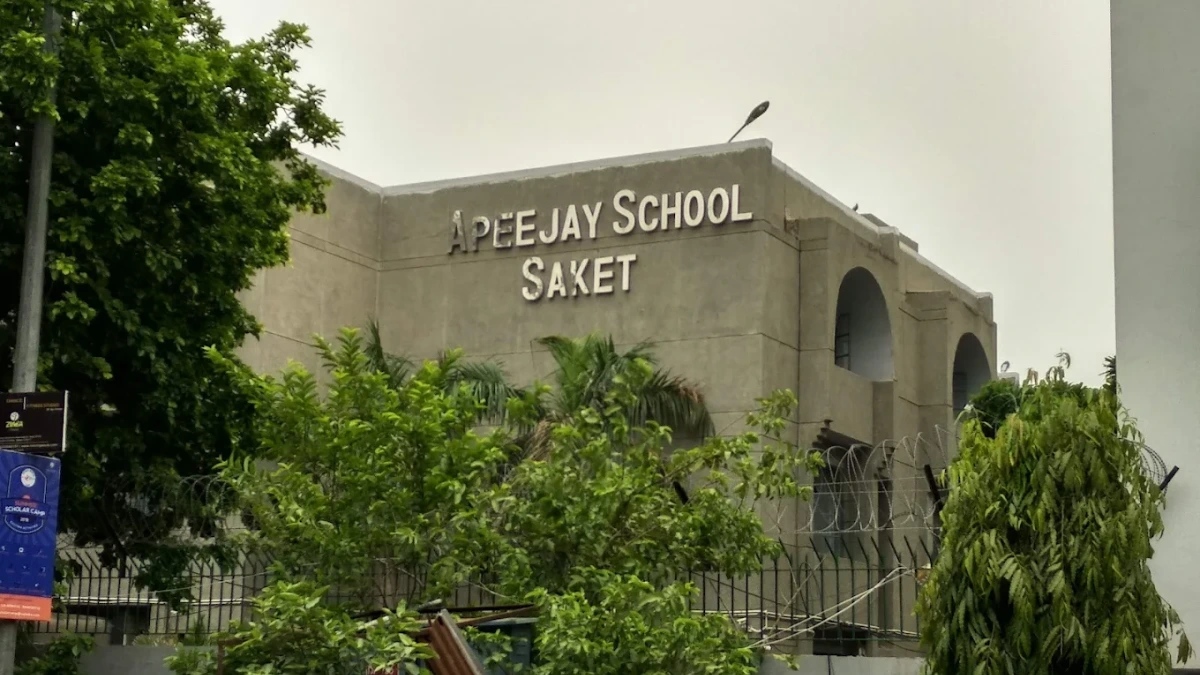
Apeejay School, Saket
location_on Saket, South Delhi
Monthly Fee
₹6,957 – ₹10,553
Estd.
1988
The Indian School
location_on Sadiq Nagar, South Delhi
Monthly Fee
₹8,483
Estd.
1996
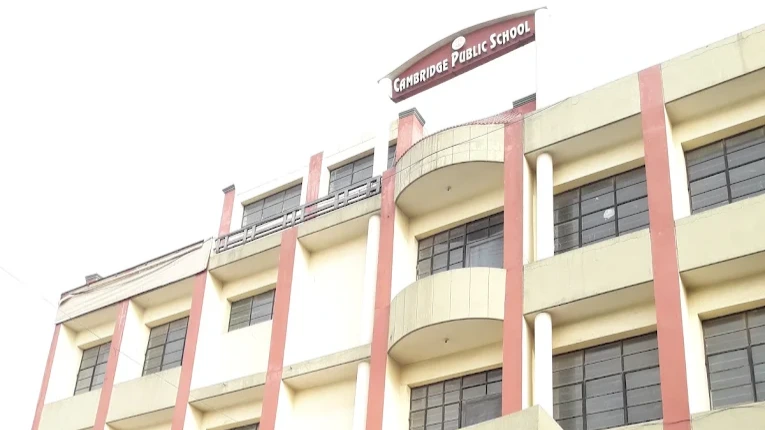
Cambridge Public School, Sangam Vihar
location_on Sangam Vihar, South Delhi
Monthly Fee
₹5,254 – ₹7,946
Estd.
2009
That's everything
chevron_right About Schools in South Delhi
South Delhi is the one district in the city where you can choose across all four major boards, CBSE, ICSE, IB and IGCSE, within a sensible commute.
It runs from heritage schools founded in the 1950s to modern premium and international campuses, spread across colonies like Greater Kailash, Defence Colony, Hauz Khas, Saket and Malviya Nagar. Monthly fees range from about ₹4,000 to over ₹30,000.
This page lists schools in South Delhi with their board, grades and fees, so you can shortlist by board, area and budget.
What sets South Delhi apart
Three things separate this district from the rest of Delhi.
Board choice. It is the only district where CBSE, ICSE, IB and IGCSE schools all operate within reach. Everywhere else in Delhi is overwhelmingly CBSE, so this is the place to look if you want a genuine choice of curriculum.
Heritage and modern side by side. Schools from the 1950s and 60s with large campuses and deep alumni networks sit next to newer premium institutions with contemporary teaching. You can pick institutional depth, modern infrastructure, or schools that manage both.
An academic setting. IIT Delhi, JNU, AIIMS and the India International Centre are all inside the district or on its edge. The faculty families and research culture around them shape school life here in a way no other district matches.
Key areas for schools
Greater Kailash, Defence Colony and Panchsheel
South Delhi's most affluent residential corridor, with an engaged, education-invested parent community. GK and Defence Colony are among the most competitive admission markets in the city. The Violet Line serves the eastern edge.
Hauz Khas and Green Park
The cultural heart of South Delhi, anchored by IIT Delhi and Deer Park. Schools here have a distinctly academic character, close to IIT's science fairs and lecture series.
The Yellow and Magenta Line interchange at Hauz Khas makes it one of the best-connected school zones in the city.
Saket and Pushp Vihar
South Delhi's commercial hub, with major retail centres. The surrounding residential sectors still hold strong school options at both mid-range and premium levels, with Yellow Line access at Saket and Malviya Nagar.
East of Kailash and Kailash Colony
Established colonies with schools that have served the area for decades. The Violet Line runs through, with stations at Kailash Colony and Moolchand. A reliable mid-to-premium belt with strong CBSE options.
Malviya Nagar and Chittaranjan Park
The more affordable end of South Delhi. Malviya Nagar's large DDA housing and the student population around IIT and JNU keep it vibrant and reasonably priced, while CR Park has a strong Bengali community character.
Good options for families who want a South Delhi address without the premium.
Sadiq Nagar and the Lodhi area
A quiet, institutional zone near Lodhi Gardens and the India International Centre. Some of the most campus-friendly land in the city, with low traffic and green surroundings.
Which boards are available
| Board | Presence in South Delhi |
|---|---|
| CBSE | Dominant. The vast majority of schools, including nearly all the heritage institutions. Aligns with JEE, NEET and CUET. |
| ICSE | Small but notable. A broader curriculum with more English and internal assessment, and a few well-regarded options. |
| IB | Limited inside the district, but South Delhi families are the main catchment for IB schools in Gurugram and Noida. Some CBSE schools here teach in an IB-comparable way. |
| IGCSE (Cambridge) | A few schools run IGCSE alongside CBSE, giving a dual pathway for international applications. |
If your child will study in India for undergrad, CBSE aligns best with the entrance-exam ecosystem.
For families weighing universities abroad, South Delhi is the one district where exploring IB or IGCSE is realistic without leaving the city.
Fee landscape
South Delhi has the widest fee range in the city, and each tier buys something genuinely different.
| Tier | What you get |
|---|---|
| Heritage mid-range (₹4,000–8,000/mo) | Fifty to seventy years of history, proven results and deep alumni networks. Older but spacious campuses, and exceptional value for the institutional weight they carry. |
| Upper mid-range (₹8,000–15,000/mo) | Established CBSE schools with strong infrastructure and consistent exam results. The largest segment in South Delhi. |
| Premium (₹15,000–25,000/mo) | Smaller classes, international exposure, progressive teaching and the most competitive admissions. |
| International (₹25,000–35,000/mo) | IB and IGCSE, an international faculty mix and preparation geared to global universities. A small but significant segment, unique to South Delhi. |
One nuance worth knowing: the district's heritage schools at ₹5,000 to ₹8,000 a month carry institutional depth that newer premium schools elsewhere charge ₹15,000-plus for. South Delhi is not only for high-budget families. Some of its strongest schools are also its most reasonably priced.
Metro connectivity
South Delhi is served by three metro lines, so school commutes work from across Delhi-NCR.
- Yellow Line is the main spine: Saket, Malviya Nagar, Hauz Khas, Green Park, AIIMS and INA.
- Magenta Line connects the western side: IIT Delhi, Hauz Khas, Panchsheel Park, Greater Kailash and Kalkaji Mandir.
- Violet Line serves the east: Moolchand, Kailash Colony, Nehru Place, Govindpuri and Kalkaji Mandir.
Hauz Khas (Yellow and Magenta) and Kalkaji Mandir (Magenta and Violet) are the two key interchanges. Most schools sit within a 15-minute walk of a station.
How admission works
South Delhi has one of the most competitive admission markets in India. The top schools receive thousands of applications for a handful of nursery seats.
The Directorate of Education's points-based system applies, with the most weight on a few factors.
- Neighbourhood proximity. Living inside the catchment radius is often essential here, which is part of why it drives property prices in school zones.
- Sibling priority. An older child already at the school is one of the strongest advantages.
- Alumni preference. Several heritage schools award points if a parent is an alumnus, which creates multi-generation school families.
- EWS and DG reservation. A quarter of entry-level seats are reserved under the Right to Education Act.
The cycle is the standard Delhi one: forms in November and December, applications in January, lists in February, session from April. Lateral entry at Class 6, 9 or 11 depends on vacancies, which are rare at the most sought-after schools, so plan early and read each school's exact criteria.
Finding the right school in South Delhi
Use the filters above to compare schools by board, class, fee range, area and admission status.
Schools appear on their data rather than on paid placement.
Frequently Asked Questions
1. What are the best areas for schools in South Delhi? expand_more
Greater Kailash and Defence Colony have the most sought-after premium schools with strong alumni networks. Hauz Khas benefits from proximity to IIT Delhi and a strong academic culture. Saket and Pushp Vihar provide good mid-range options. Malviya Nagar and CR Park offer the most accessible pricing. Each area has a distinct character — the best choice depends on your commute, budget, and school preferences.
2. Which boards are available in South Delhi schools? expand_more
South Delhi is the only Delhi district where all four major boards are meaningfully represented. CBSE is dominant, with ICSE, IB, and IGCSE also available. If your child will sit for Indian competitive exams (JEE, NEET, CUET), CBSE aligns best. For international university applications, IB and IGCSE options exist within the district and in nearby Gurugram.
3. What is the fee range for schools in South Delhi? expand_more
Fees range from ₹4,000/month for heritage CBSE institutions with decades of track record to over ₹30,000/month for international board schools. The largest segment falls between ₹8,000–15,000/month. Notably, some of South Delhi's most prestigious heritage schools charge moderate fees — institutional depth does not always mean premium pricing.
4. How competitive is school admission in South Delhi? expand_more
South Delhi has one of the most competitive admission landscapes in India. Top schools receive thousands of applications for limited nursery seats. Neighbourhood proximity, sibling priority, and alumni preference are key factors. Planning early and understanding each school's specific criteria is essential.
5. Is South Delhi well-connected by metro for school commutes? expand_more
Yes. Three metro lines serve the district — Yellow, Magenta, and Violet — with Hauz Khas and Kalkaji Mandir as key interchange stations. Most schools are within a 15-minute walk of a metro station, making commutes feasible from across Delhi-NCR.
6. What makes South Delhi different from other Delhi districts for schools? expand_more
Three things: board variety (CBSE, ICSE, IB, and IGCSE all available), heritage depth (schools with 50–70 years of history alongside modern premium institutions), and the academic ecosystem (IIT Delhi, JNU, AIIMS, and cultural institutions create an intellectual environment unique to this district).
Find the right school for your child
Free counsellor will shortlist matching schools in your area.
Request Submitted!
We'll contact you within 24 hours with personalized recommendations.